Two way voice in a personal duress alarm: what it adds when every second counts
An emergency can turn quiet in an instant. A lone worker may be in an office after hours, on a rural property, in a plant room, or walking between sites. A personal duress alarm can start the alert, but two way voice changes what happens next. It turns a signal into a conversation, and that can shape the response.
For New Zealand workplaces where staff work alone, the value is practical. An alarm tells someone that a worker may need help. Voice contact helps confirm what kind of help is needed, where it is needed, and whether the situation is still safe for the worker to stay put or move. Those details matter when the first report is unclear.
What two way voice means on a lone worker alarm
Two way voice is the ability for the worker and the contact at the other end to speak and listen through the alarm device or a linked service. It is different from a simple alert that sends a notification. It is also different from a phone call that depends on the worker finding a handset, unlocking it, dialling, and staying connected while under stress.
A wearable alarm keeps the communication closer to the person. In a duress event, fine motor skills and clear thinking can be affected by fear, pain, noise, or urgency. A device that already sits on the person reduces the steps between noticing trouble and making contact. If the design supports voice, the worker may be able to answer a few direct questions without needing to hold a phone.
The term personal duress alarm is often used for devices carried by people who may face threats, aggression, injury, or a sudden health problem while working alone. Some setups include an SOS function, GPS location, man down alerts, fall detection, and voice contact. Each feature has a role. Voice is the part that adds context.
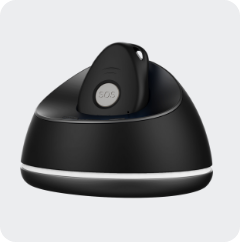
Why an alert alone leaves gaps
An alert is useful because it starts action. It may show that a button was pressed, that a device detected a fall, or that a worker stopped moving when movement was expected. But an alert does not explain the whole scene. A fall can be minor or serious. A panic button can be pressed because of a threat, a medical issue, a misunderstanding, or an accident. A worker may activate an SOS call and then be unable to speak.
That uncertainty affects incident response. A nominated contact may need to decide whether to call emergency services, send a nearby colleague, stay in phone contact, or gather more information first. Without voice, the response can be delayed by guesswork. With voice, the contact can ask short, useful questions: Are you safe? Are you injured? Is someone nearby? Can you move? Do you need an emergency call now?
Voice also helps calm the situation. A steady human voice can help a worker focus, breathe, and follow simple instructions. That does not replace proper emergency care or a threat assessment, but it can reduce confusion in the first moments. The aim is not to make the worker solve the problem alone. The aim is to keep the line open while the right help is arranged.
What the two way conversation can establish
Good emergency communication is usually simple. Long explanations are not needed. Short answers can help the contact understand the difference between a false alarm, a medical emergency, and a safety threat.
- Whether the worker is conscious, breathing, and able to speak
- Whether the location shown by GPS matches where the worker believes they are
- Whether there is an immediate danger, such as aggression, a hazardous area, or traffic
- Whether the worker can move to a safer place without putting themselves at greater risk
- Whether emergency services or an internal response should be contacted first
These points are not a script for every situation. They show why a voice channel is useful. In some cases, the worker cannot answer. The contact may still hear background sound, breathing, or movement. That information can help shape the next decision, though it should be treated carefully. Sound is not the same as a clear report.
How the full alert path usually works
The exact setup varies, but the general path is straightforward. The worker carries a wearable device. Something triggers an alert, either by pressing a button or by a detected event such as a fall or man down condition. The alert reaches a contact or monitoring point. Location details may be included, depending on the device and the coverage available. The contact then tries to make voice contact and uses the information gathered to coordinate the response.
Mercari Lone Worker NZ sits in this context of wearable lone worker alarms for New Zealand workplaces, where SOS, GPS location, two way voice, man down, and fall detection alerts are the relevant features. The important point for a reader is not the label on the device. It is whether the whole path works under pressure. A device that sends a strong alert but offers no way to speak leaves the responder with less information. A device that supports voice but has poor audio or unclear procedures can also fall short.
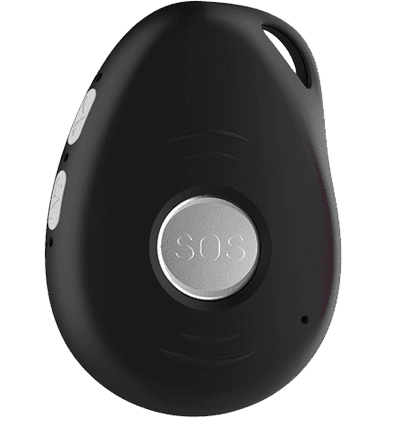
Coverage deserves attention too. Voice contact depends on the communication network available at the time and place. In buildings, basements, remote sites, and rural areas, signal can be inconsistent. GPS location can also be less precise in some environments. None of this means voice is not useful. It means the system should be planned around real working conditions, not assumed to work the same everywhere.
Design details that matter in an emergency
When looking at a personal duress alarm with voice capability, practical design is more useful than a long feature list. The worker may be stressed, injured, wearing gloves, or trying to stay quiet. The contact may be receiving several alerts or trying to coordinate with emergency services. Small details can help.
The device should be easy to identify and operate. A panic button should not require a careful aim or a complex sequence. Voice audio should be clear enough for ordinary speech, and the worker should know how the speaker and microphone work before an emergency happens. Battery life matters because a device carried at the start of a shift needs to last through the shift. Location reporting should be understandable, so the contact knows whether the position is current or last known.
The workflow after the alert matters as much as the hardware. A nominated contact needs to know what to do when voice contact is answered, and what to do when it is not. Escalation rules should be clear. If the first contact cannot respond, another person should be able to step in. If an emergency call is needed, the contact should know what information to pass on and what not to assume.
Two way voice and personal safety planning
Personal safety planning is not only about devices. It includes knowing where people are working, what risks are present, how they will raise an alert, and who will respond. A threat assessment can help identify situations where voice contact is especially valuable, such as work involving hostile encounters, late shifts, isolated sites, or tasks where a fall could leave a worker unable to reach a phone.
In Mercari Lone Worker NZ discussions about lone worker safety, the useful question is how quickly an alert can become a clear response. Voice contact helps with that shift. It lets a contact confirm the worker's condition, gather location context, and avoid acting on assumptions. It also gives the worker a point of contact while help is being organised.
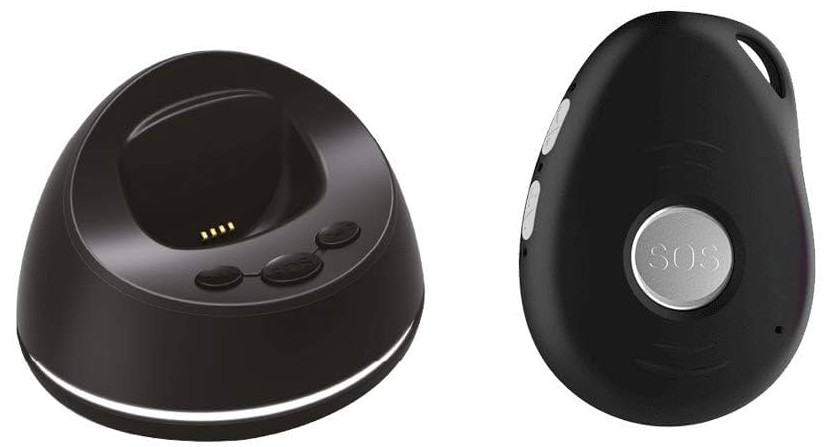
There are limits. Two way voice is not a guarantee of rescue. It does not remove the need for emergency services, first aid, safe work procedures, or clear escalation. If a worker is in immediate danger, the right response still needs to be triggered without delay. Voice should support that decision, not slow it down with unnecessary questioning.
What this means for the reader
If you work alone or manage people who do, look beyond the fact that an alarm exists. Ask what happens after the button is pressed or the fall is detected. Can the worker speak to someone through the device? Will the contact receive enough location information to act? Is there a clear person responsible for the alert at any hour of the shift? How will a failed voice attempt be handled?
Those questions lead to a better fit between the device, the work, and the response plan. A personal duress alarm with two way voice gives the alert a human layer. It can turn an unknown signal into a clearer picture, and that clarity can help every later decision land in the right place.